
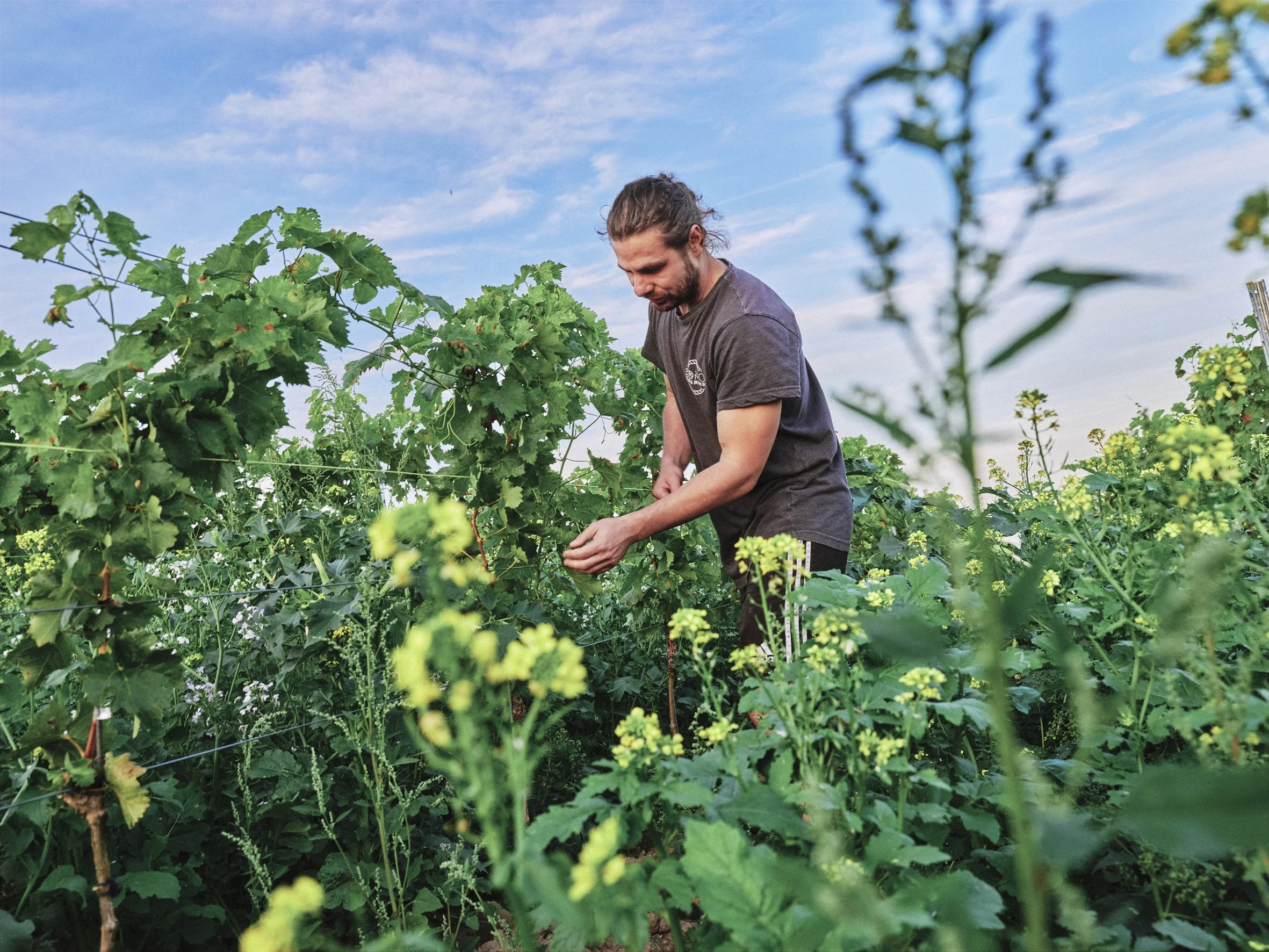
GEORG LINGENFELDER
PFALZ
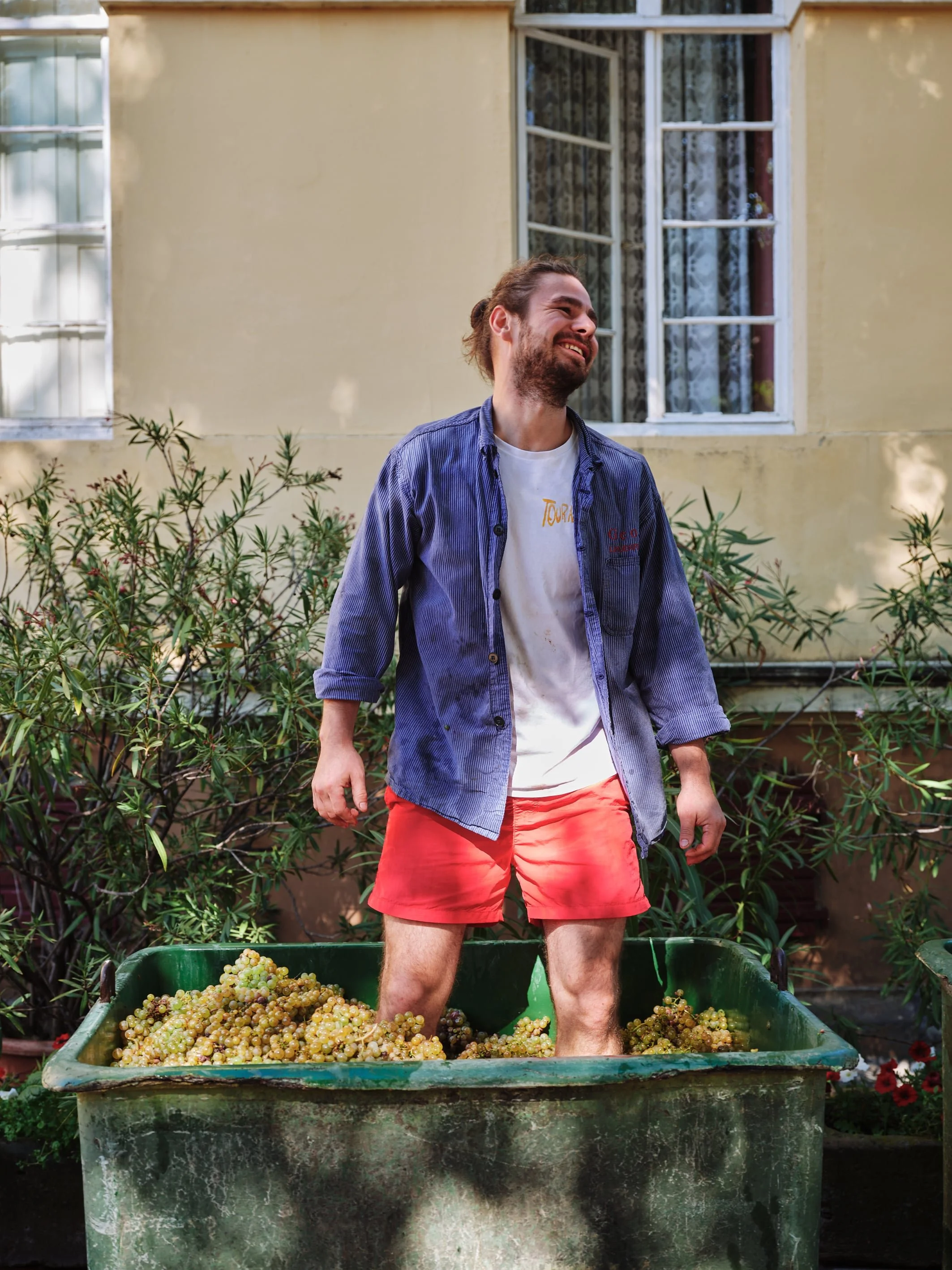
Once in a while, you meet someone you feel you’ve already known for decades. Georg Lingenfelder is one of those people, and we’d imagine he’s one of those people for a lot of folks. It’s not just his charming affability. It’s the sense you get that he truly cares — about his home, his wines, and his budding connection with you.
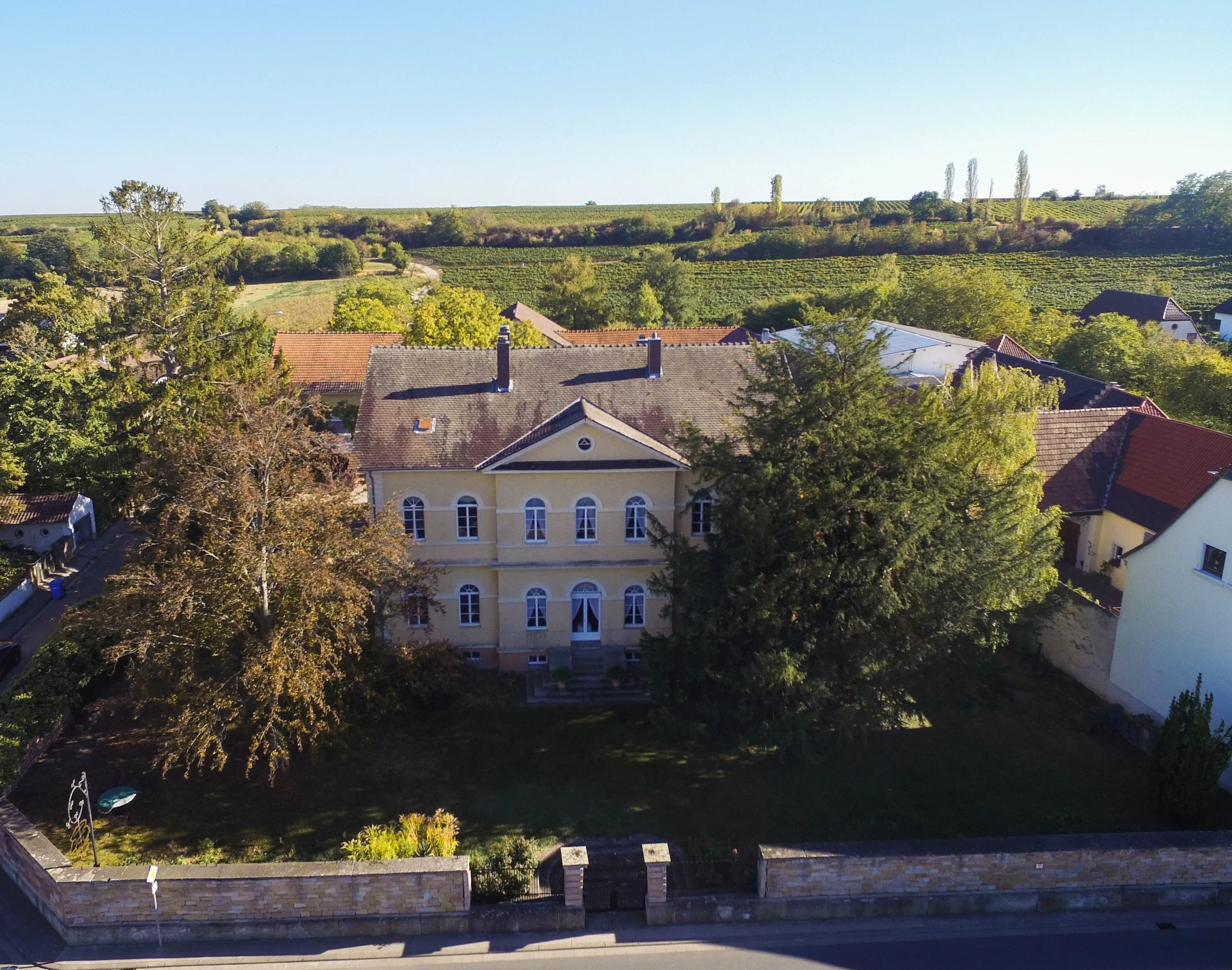
Winemaking is not new to Georg. It’s in his blood—a family tradition that goes back five hundred years, one he seeks to honor with a singular focus on Pfalz varieties that also span the course of local history: Riesling, Sylvaner, Morio-Muskat, Scheurebe, Grauburgunder, Gewürztraminer, Müller-Thurgau, Spätburgunder and Dornfelder.
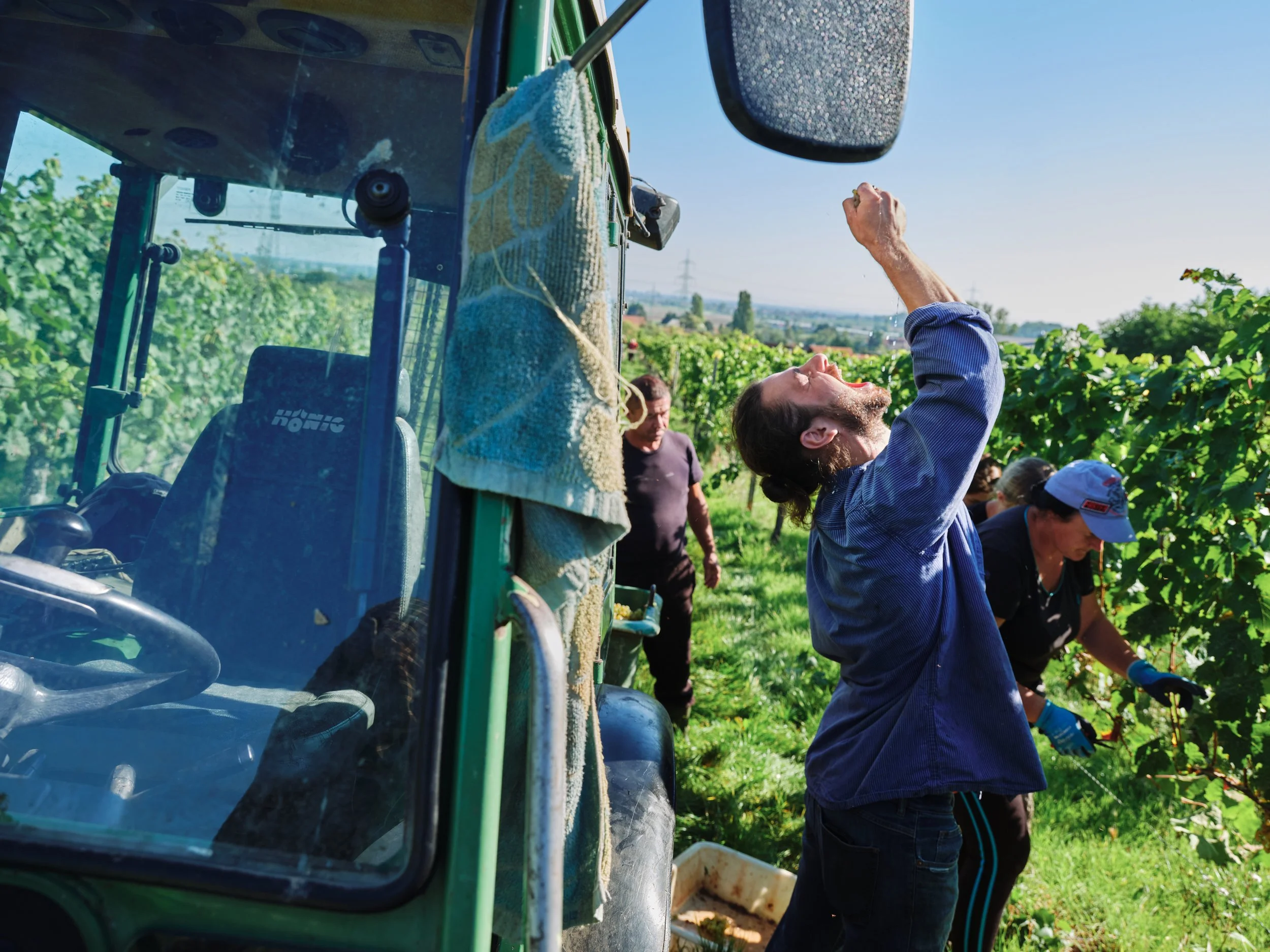
Geology is especially relevant to Georg. He even left home at one point to get his Masters in it, coming home during high season to help with harvest. He felt like wine was dragging him back; he felt it in his gut. The Pfalz, which shares a geology with Alsace, held a particular pull for him. It was something he wanted to explore. He now farms six of his family’s thirteen hectares of vineyard sites in Freinsheim and Großkarlbach, on tertiary limestone on the “rift shoulders of the Rhine Valley” (for example, in Burgweg in Großkarlbach) and on loess and calcareous sand deposits “with clay lenses towards the sedimentary basin” (Osterberg in Großkarlbach and Musikantenbuckel in Freinsheim). “Rocks still play a role in my life,” he says. “I like to dig in the dirt.”
His first barrels materialized in 2020, marking the start of fourteen generations of winemaking in his family. He practices organic, eschewing his parents’ solution for downy mildew. Though they otherwise have a good grasp on responsible farming, Georg’s parents “refuse to use copper and [instead] use synthetic sprayings for this fungus,” he laments. “It’s always the same old tune but I can´t convince them to take the next step. So I have to deal with this disagreement – they have nothing against me using copper – but I can´t get my fields certified yet. Working on taking over the whole winery soon. Generational challenges at its finest ☹”
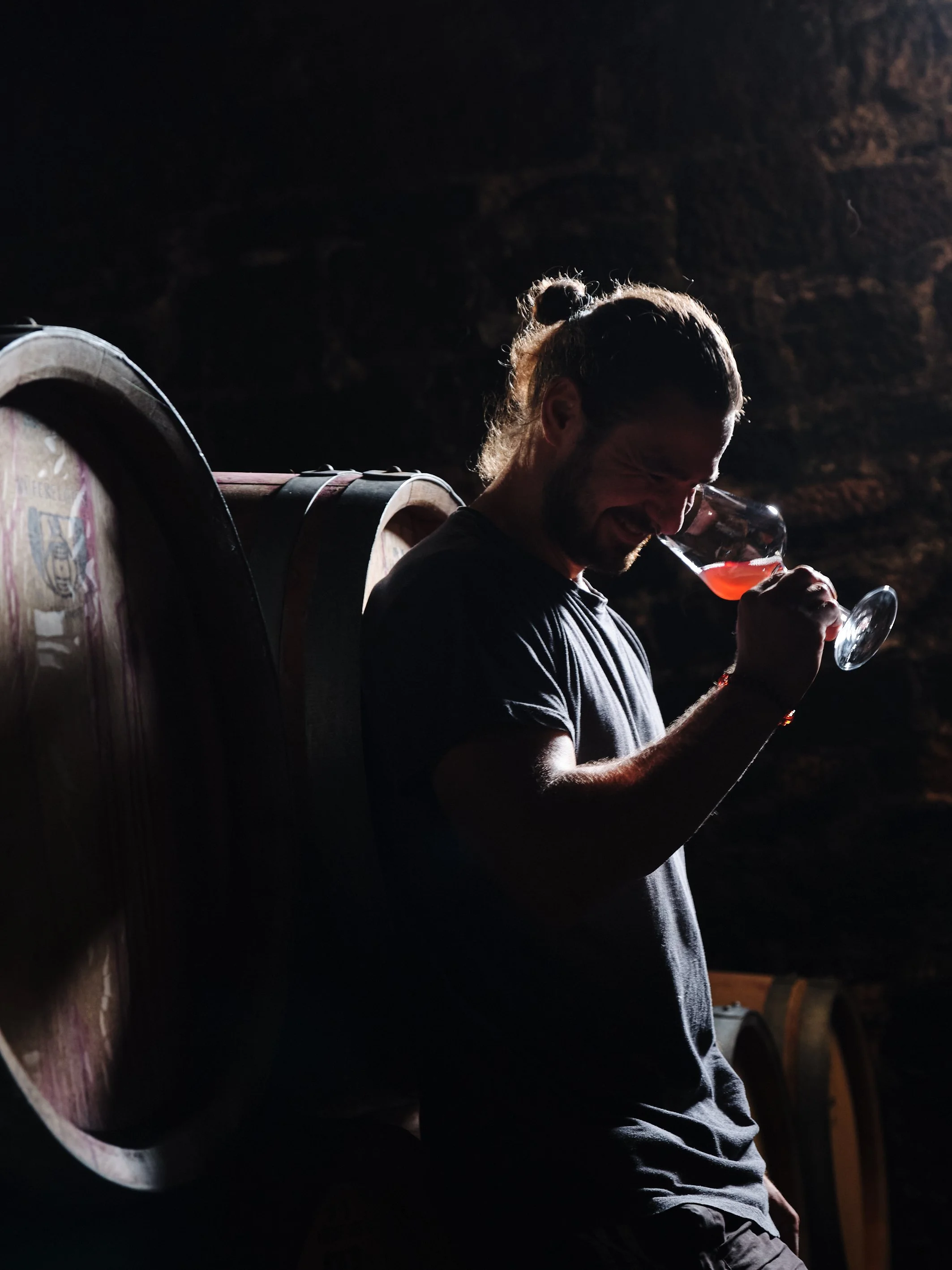
Despite this, all the grapes that enter the family cellar are both hand-picked and wild fermented. Georg points out that his family’s tradition of low-intervention winemaking “since the beginning” means that the cellar has never seen a single cultured yeast, fining agent, clarification or enzyme treatment… the list goes on. Low to no sulfur usage has allowed them to express the purest version of their terroir over the years: 50 million-year-old limestone (“younger than Champagne or Burgundy but quite pure, not a lot of clay, good for Spätburgunder”), loess (a more nutritious soil, giving more body and best expressed by Riesling), and loam (a happy home to Silvaner).
Georg has a fondness for an old horizontal basket press, which lends a certain “je ne sais quoi” to the result. These are decidedly charismatic wines. They are not scared of oxygen. They are relaxed yet ebullient, much like their maker. “My idea of wine is that the grape juice itself has all the ingredients to produce a great wine,” Georg explains. “The intervention by the winemaker should only make sure that the wine finds the right balance over time … that it can develop and mature but always with enough space to evolve an own unique character. So I gently try to lead the wine towards my own style, the balance of all individual ingredients and the characteristics of the sun-kissed Pfalz which is of course still considered a cool climate region on a world wide scale. But in the end, patience and trust in the natural process is the highest virtue for me – and the toughest – as mankind likes to have everything under control.”
GEORG LINGENFELDER
Country: Germany
Region: Pfalz
Sub-region or Appellation: Freinsheim and Großkarlbach
Winemakers: Georg Lingenfelder
Viticulture: Practicing organic
Terroir: Limestone, loess, calcareous sand, clay
Size: 6 ha
Website: georglingenfelder.com
Instagram: @georglingenfelder
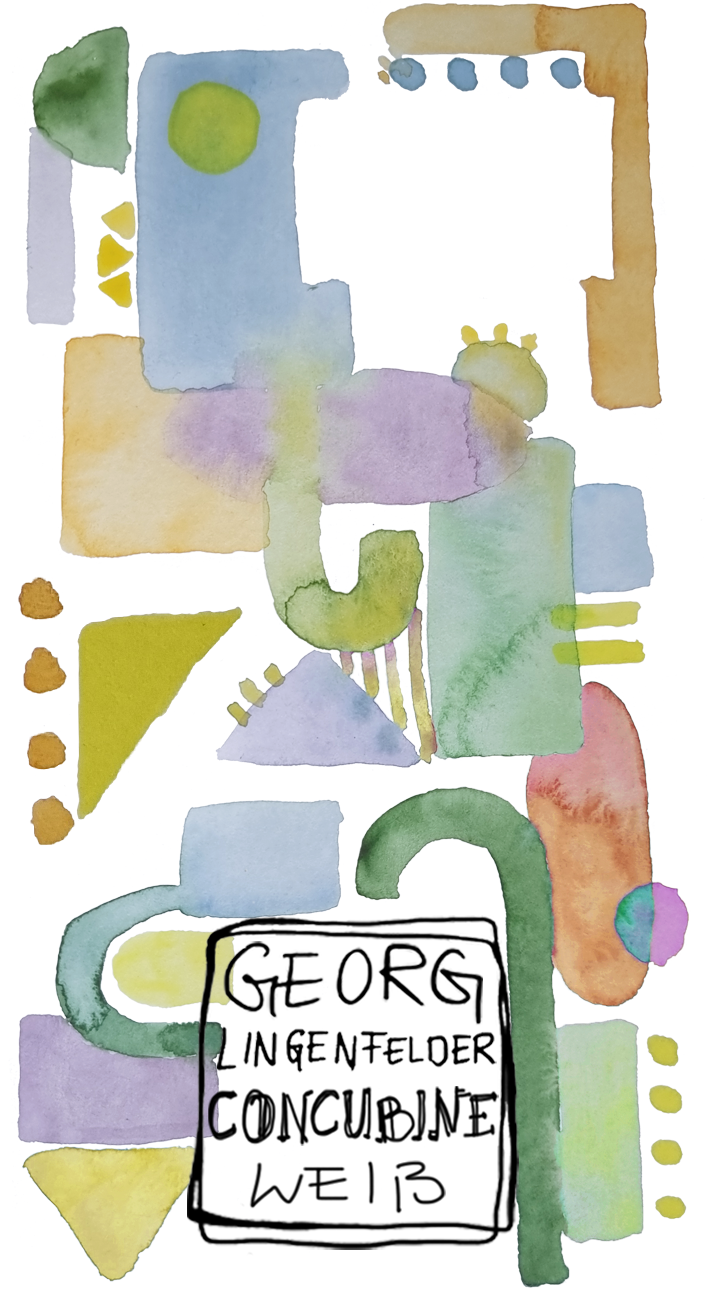
GEORG LINGENFELDER :: Concubine Weiss
Riesling, Muller-Thurgau, Silvaner, and Scheurebe join forces in this zesty white liter that’s perfect for all seasons. Half of the grapes are pressed directly into stainless, while the other half see three days of skin contact and age in old, small oak barrels. The richness from the oak, plus the linearity from the steel make this “a great balance of both worlds” as Georg says.
Vintage: 2024
Varieties: Riesling, Muller-Thurgau, Silvaner, Scheurebe
Style: White Wine
ABV: 11.5%
Region: Pfalz
Sub-Region or Appellation: Freinsheim and Großkarlbach
Viticulture: Practicing Organic
Age of Vines: 20-50 years old
Soils: Riesling on loess soils, Muller-Thurgau and Silvaner in part-limestone soils, Scheurebe on limestone
Yeasts: Indigenous yeasts
Vinification: 50% direct-pressed, 50% maceration for 3 days
Aging: 50% stainless steel, 50% oak barrels
Fining or Filtering: none
Sulfur: minimal at bottling
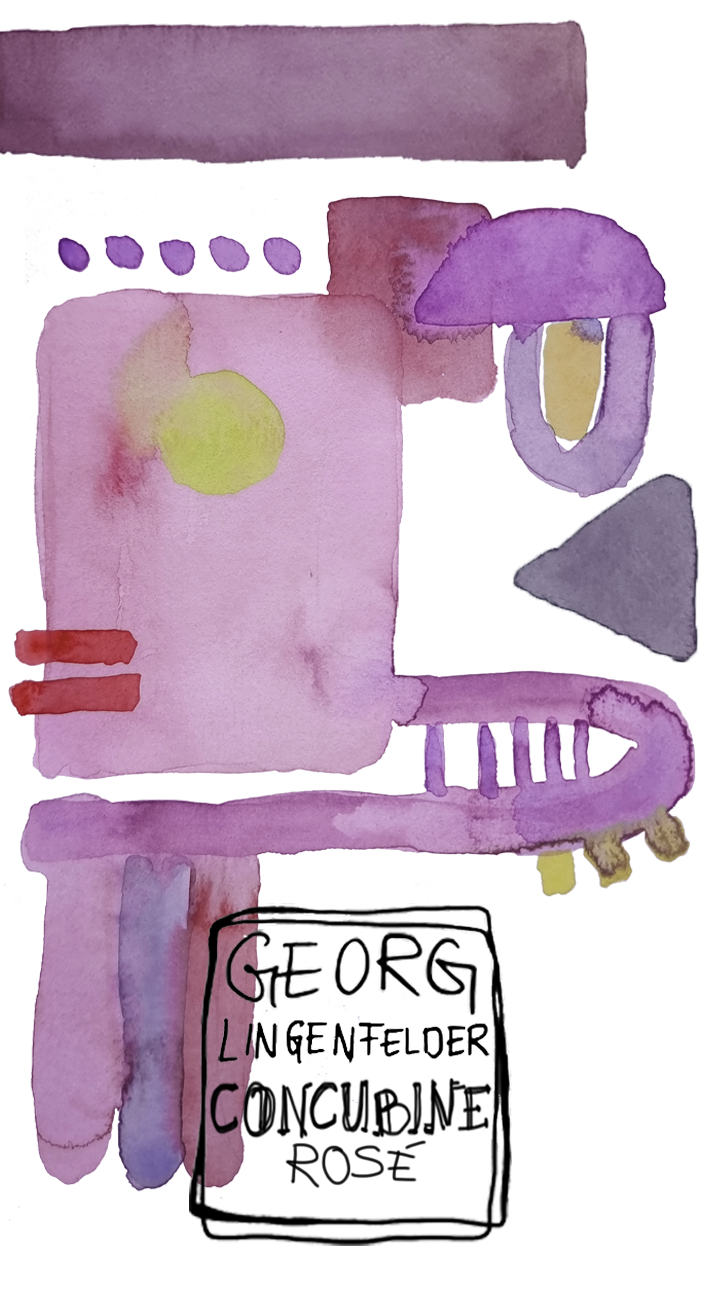
GEORG LINGENFELDER :: Concubine Rosé
A rosé of 100% Spätburgunder; fresh and easy-going in the glass, without sacrificing elegance. Aged in stainless steel.
Vintage: 2024
Varieties: Spätburgunder
Style: Rosé Wine
ABV: 12%
Region: Pfalz
Sub-Region or Appellation: Freinsheim and Großkarlbach
Viticulture: Practicing Organic
Soils: Limestone, loess, calcareous sand, clay
Yeasts: Indigenous yeasts
Vinification: 8-hour direct press
Aging: Stainless steel
Fining or Filtering: none
Sulfur: minimal at bottling
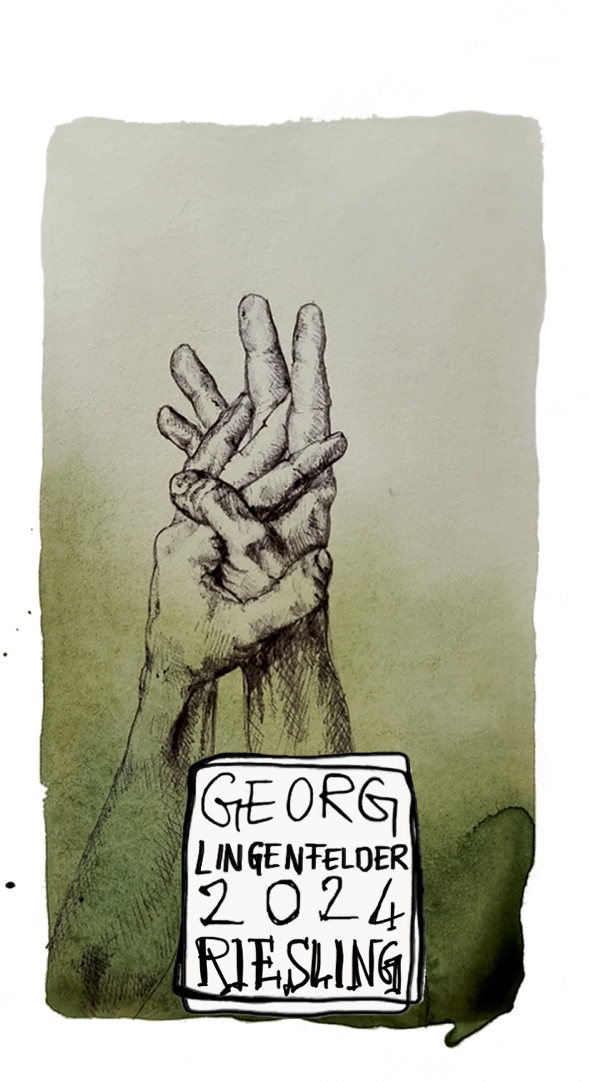
GEORG LINGENFELDER :: Riesling
A Riesling of immense complexity, ripe aromatics, and balanced acidity. Peach rings and mango aromatics are accompanied by verbena, pine, and a kiss of ginger. A slow direct-press into small used oak barrels, where the wine ages on its lees for 12 months. Later, the wine is racked into stainless steel for another 8 months before bottling.
Vintage: 2024
Varieties: Riesling
Style: White Wine
ABV: 11%
Region: Pfalz
Sub-Region or Appellation: Freinsheim and Großkarlbach
Viticulture: Practicing Organic
Soils: Loess
Yeasts: Indigenous yeasts
Vinification: 9-hour direct press
Aging: Small oak barrels for 12 months, then racked into stainless steel for 8 months
Fining or Filtering: none
Sulfur: none added
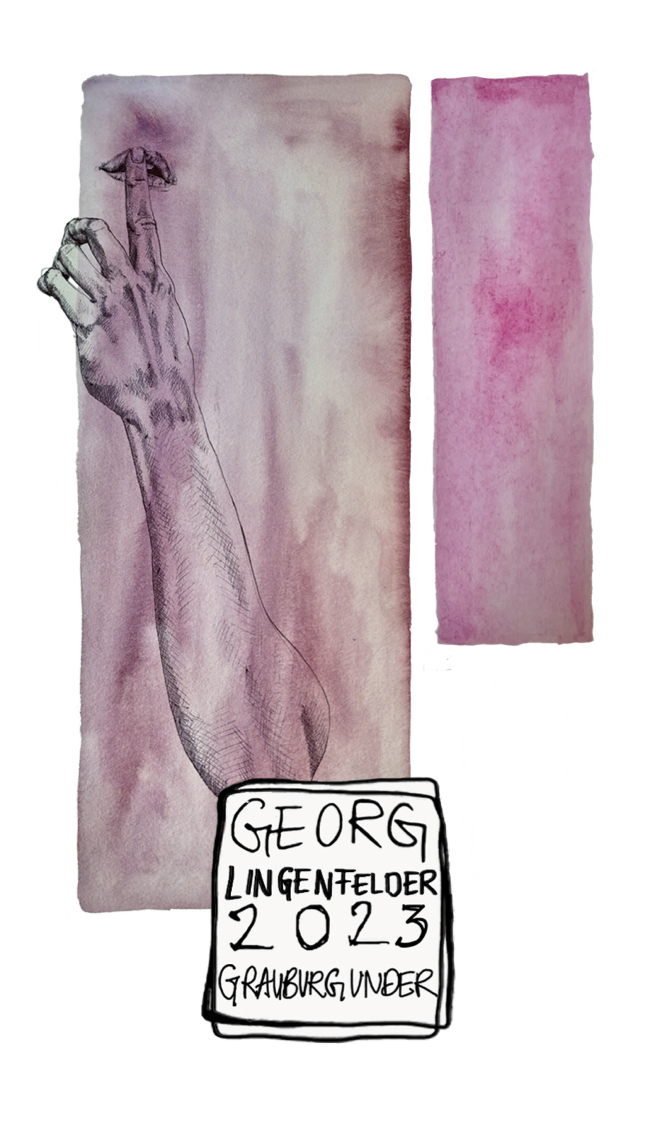
GEORG LINGENFELDER :: Grauburgunder
A sultry, beautiful 6-day maceration Grauburgunder from a single vineyard that blurs the line between rosé and orange wine. Incredible florality and gentle fruit, with incredible length and delicate structure. Aged 12 months in used oak barrels and later racked into stainless steel before bottling.
Vintage: 2023
Varieties: Grauburgunder
Style: Skin-Contact Wine
ABV: 12%
Region: Pfalz
Sub-Region or Appellation: Freinsheim and Großkarlbach
Viticulture: Practicing Organic
Soils: Loess
Yeasts: Indigenous yeasts
Vinification: 6 days of maceration
Aging: Small oak barrels for 12 months, then racked into stainless steel. Total of 14 months sur lie.
Fining or Filtering: none
Sulfur: minimal at bottling
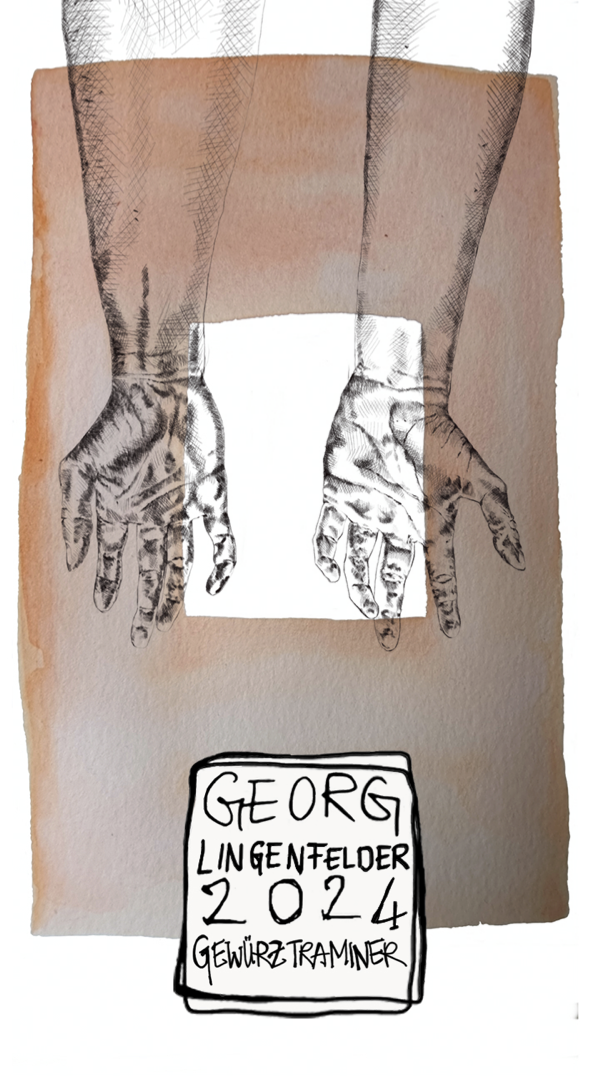
GEORG LINGENFELDER :: Gewürztraminer
A 7-day maceration of Gewürztraminer that stays light on its feet. Super florality, balanced tannin structure, concentration without being overbearing. 12 months of aging in small used oak, then racked into stainless steel before bottling.
Vintage: 2024
Varieties: Gewürztraminer
Style: Skin-Contact Wine
ABV: 12%
Region: Pfalz
Sub-Region or Appellation: Freinsheim and Großkarlbach
Viticulture: Practicing Organic
Soils: Loam/Sand
Yeasts: Indigenous yeasts
Vinification: 7 days of maceration
Aging: Small oak barrels for 12 months, then racked into stainless steel. Total of 14 months sur lie.
Fining or Filtering: none
Sulfur: minimal at bottling
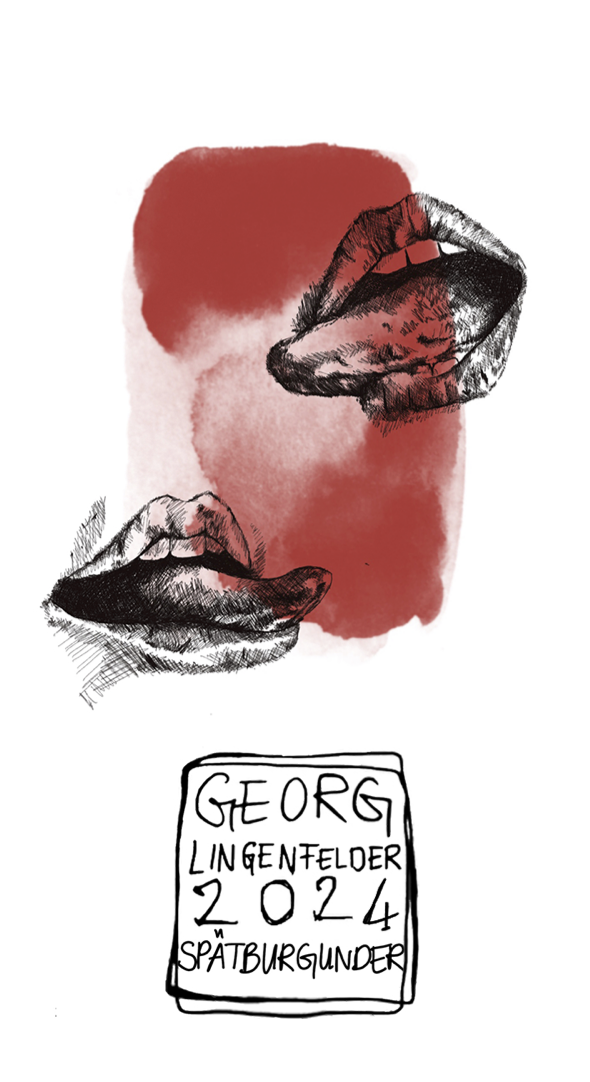
GEORG LINGENFELDER :: Spätburgunder
A bit of fruit and a bit of sweet spice make everything nice in this single-vineyard 100% Spätburgunder. Partial whole-cluster and good acidity, but enough structure to hold up to a variety of foods. Aged in small used oak barrels.
Vintage: 2024
Varieties: Spätburgunder
Style: Red Wine
ABV: 12%
Region: Pfalz
Sub-Region or Appellation: Freinsheim and Großkarlbach
Viticulture: Practicing Organic
Soils: Tertiary limestone
Yeasts: Indigenous yeasts
Vinification: 14 days of maceration, 20% whole-cluster, 80% destemmed
Aging: Small oak barrels for 20 months, then bottled in April 2026.
Fining or Filtering: none
Sulfur: minimal at bottling